
Services
Heating
Criss Co installs, repairs, and maintains heating systems for residential and commercial properties in Spalding, NE, and the surrounding area.
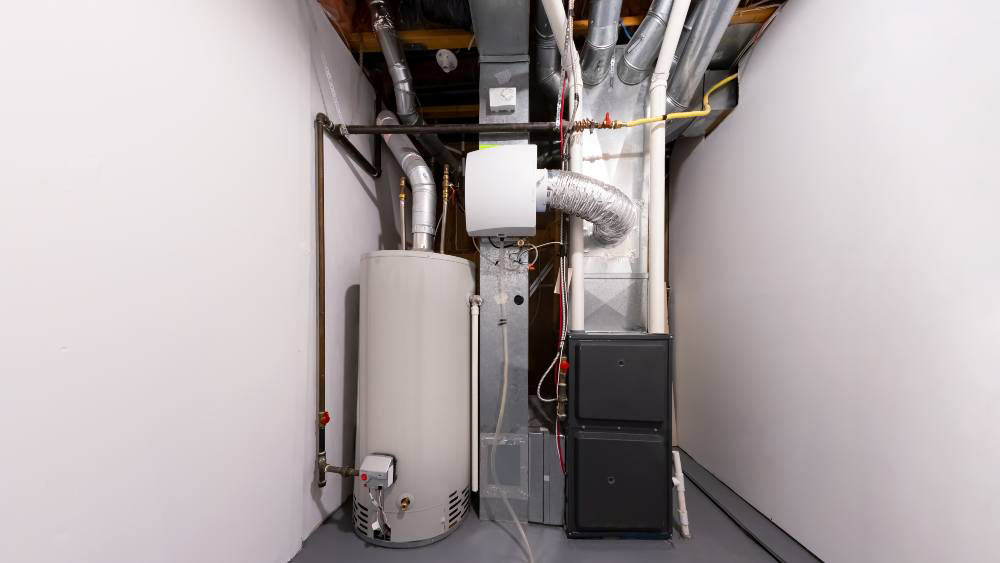
Installation
New or replacement systems sized for your home or building. We'll walk you through the options before any work starts.
Repair
We find the problem, explain it in plain terms, and tell you whether a repair or a replacement makes more sense.
Maintenance
A tune-up before warm weather helps catch small problems early and keeps your system running as it should.
- Licensed and Insured [License #]
- Free estimates on new installs
- Financing up to $65,000 · Learn more
- Serving [TOWNS / COUNTIES]
Installation
Heating and cooling for new builds
Building a home, shop, or commercial space? We work with owners, builders, and general contractors to plan and install the system from the start. From load calculations and ductwork to startup and testing.
Send us your plans or give us a call.
repair or Replace
We work on every make and model, and we’ll always give you the cost of both options. Plenty of no-heat calls come down to a small part that wore out over the summer. Sometimes, though, a repair is just buying one more winter.
Repair usually makes sense when
- The furnace is less than about 15 years old
- It's the first real problem you've had with it
- The fix is a common part, like an igniter, flame sensor, or blower motor
- It was keeping the whole house warm until now
It may be time to replace when
- It's 15 to 20 years old or more and needs a major repair
- We find a cracked heat exchanger
- You've needed a repair every winter for the last few years
- It can't keep up on the coldest nights, or some rooms never warm up
- Your gas or propane bills keep climbing with no change in how you use it
Maintenance
Tune up before the cold hits
Late summer or early fall is the best time to schedule a heating tune-up. We check the system from end to end, clean what needs cleaning, and let you know about anything that’s wearing out before it leaves you without heat.
- Between visits you can:
- Check the air filter regularly and replace it when it looks dirty
- Keep vents and return grilles clear of furniture and rugs
- Keep storage away from the furnace
- Test your carbon monoxide detectors
When to Call
Signs your heat needs a look
- Some rooms stay cold while others are warm
- New noises like banging, squealing, or rattling
- The system turns on and off more often than usual
- Heating bills are climbing without a clear reason
- A burning or musty smell that doesn't clear after the first few runs of the season
- No heat, or the system won't start
- It hasn't been checked since last winter
Smell gas or hear a carbon monoxide alarm?
Get everyone outside and call 911 or your gas supplier first.
Whole-Home Humidifiers
Dry winter air? Fix it for the whole house.
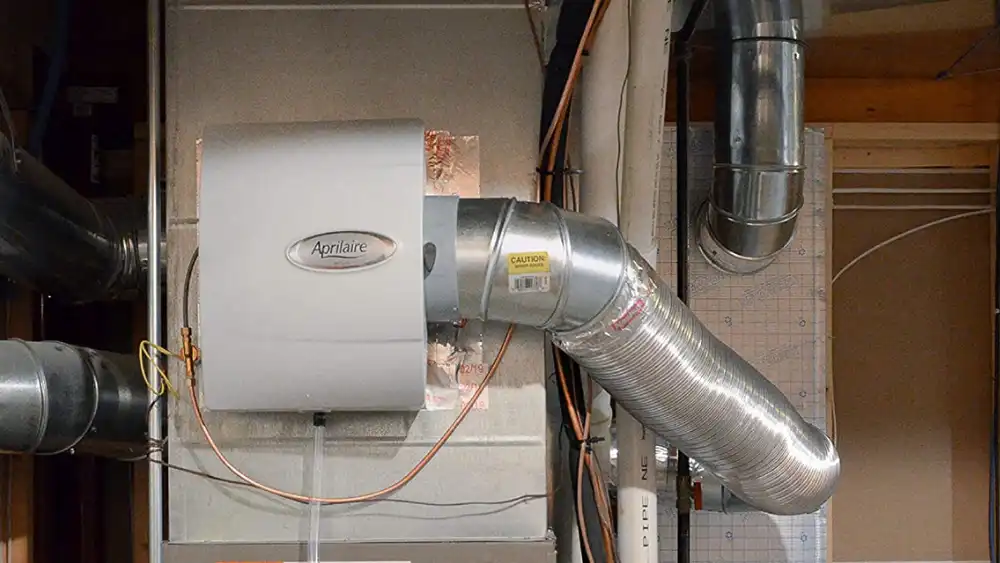
Nebraska winters pull moisture out of a house, and running the furnace dries it out even more. A whole-home humidifier adds that moisture back through the system you already have.
WHY IT HELPS
- Fewer static shocks
- Less dry skin and fewer scratchy throats in the morning
- Protects wood floors, trim, and furniture from cracks and gaps
- Air feels warmer, so you may be comfortable with the thermostat a little lower
How it works
The humidifier mounts on your furnace and connects to a water line. As heated air moves through the ductwork, it picks up moisture and carries it to every room. A control on the wall lets you set the humidity level. No tanks to fill or carry, and no units sitting in every bedroom.
Keeping it running
[Replace the water panel once a season] and have the humidifier checked during your furnace tune-up. If you see condensation on windows, turn the setting down; the colder it gets outside, the lower it should be.
Common cooling questions
Replacement & Installation
How do I know it's time to replace my furnace, and how long do they last?
Most furnaces last around 15 to 20 years with regular maintenance. It’s usually time to replace when the furnace is in that range and needs a major repair, breaks down every winter, can’t keep the house warm on the coldest nights, or has a cracked heat exchanger.
What size furnace do I need?
Furnaces are sized by heat output in BTUs, and square footage is only part of it. Insulation, windows, ceiling height, and air leaks all matter. We calculate the heating load for your home instead of matching whatever was there before. An oversized furnace cycles on and off, wears out sooner, and leaves rooms uneven; an undersized one runs constantly and falls behind on cold nights.
What should I consider when choosing a new furnace?
Correct sizing comes first. After that: fuel type (natural gas, propane, or electric), efficiency (the AFUE rating), single-stage versus two-stage or modulating operation, a variable-speed blower, noise, warranty, and how well it matches your air conditioner and ductwork. We’ll lay out a few options at different price points.
Will a new furnace lower my heating bills?
Usually, especially if you’re replacing an older furnace. According to the U.S. Department of Energy, older, low-efficiency systems run at about 56 to 70 percent efficiency (AFUE), while high-efficiency furnaces reach 90 percent or more. How much you save depends on the model you choose, your fuel prices, and the condition of your ductwork and insulation, so we’ll give you a realistic picture instead of a promise.
Is a heat pump a good option for a Nebraska winter?
It can be. Newer cold-climate heat pumps heat well in much colder weather than older models, and many homes pair one with a furnace that takes over on the coldest days. Whether it makes sense depends on your house, your fuel costs, and what you have now. We’ll walk you through it.
How long does it take to replace a furnace?
[Most straightforward replacements take about a day.] Jobs that need new venting, ductwork changes, or a new gas or propane line can take longer. You’ll get a timeline before we start, and if your heat is out, we’ll talk through options to keep the house warm in the meantime.
Do I need to replace my air conditioner when I replace my furnace?
Not always. Your AC’s indoor coil sits on top of the furnace, and the furnace blower moves the cool air in summer, so the two have to work together. If your air conditioner is newer and compatible, we can keep it. If it’s near the end of its life, replacing both at once saves you a second install.
What's included with professional furnace installation?
Maintenance
How often should my furnace be serviced, and is it worth the cost?
Once a year. A tune-up costs much less than most repairs, keeps the furnace running efficiently, and catches worn parts and safety problems before they leave you without heat. Some manufacturer warranties also require regular professional maintenance.
What's included in professional furnace maintenance?
We inspect and clean the burners and flame sensor, check the ignition system, inspect the heat exchanger for cracks, test the safety controls, check the venting, clean and check the blower, check the filter, and test the thermostat. You’ll hear about anything that’s wearing out.
When is the best time to schedule furnace maintenance?
Early fall, before the first cold snap. In Nebraska that usually means September or October, and you’ll get in sooner than you would once everyone’s furnace is running.
How often should I change my furnace filter?
The U.S. Department of Energy recommends cleaning or replacing it every month or two during heating season. Thicker media filters last longer. Pets, remodeling, and dust from fieldwork mean more frequent changes.
Can I do any maintenance myself?
Yes. Change the filter, keep vents and returns clear, keep storage away from the furnace, and test your carbon monoxide detectors. Leave the burners, gas connections, and electrical parts to a technician.
Troubleshooting
My heat won't come on. What should I check first?
Make sure the thermostat is set to heat and turned above the room temperature, and replace its batteries if it has them. Check that the furnace switch is on, the breaker hasn’t tripped, and the filter isn’t clogged. If it still won’t run, give us a call.
Why does my furnace keep turning on and off?
Short cycling is often caused by a clogged filter, a dirty flame sensor, or a furnace that’s too big for the house. Check the filter first. If that doesn’t fix it, call us before it wears out parts.
Is a burning smell normal when the furnace first turns on?
A dusty smell the first few times the furnace runs in the fall is usually dust burning off the heat exchanger, and it should clear quickly. If it lingers, smells electrical, or you see smoke, turn the furnace off and call us.
What if I smell gas or my carbon monoxide alarm goes off?
Get everyone outside right away and call 911 or your gas or propane supplier from outside. Don’t flip switches or try to find the leak.
Get ready for winter
Request a repair, install, or tune-up, and we’ll contact you to set a time.