
Services
Cooling
Criss Co installs, repairs, and maintains cooling systems for residential and commercial properties in Spalding, NE, and the surrounding area.
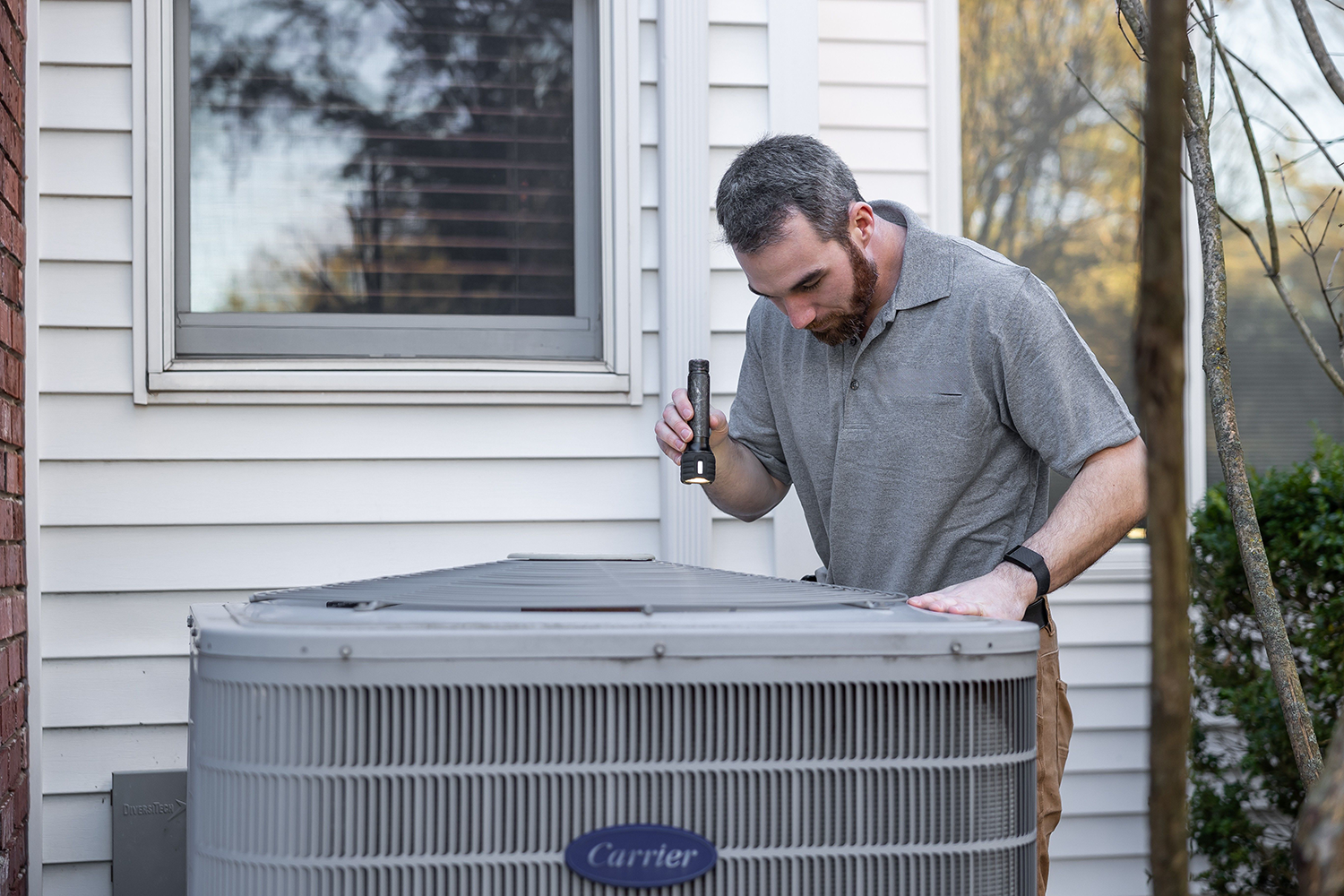
Installation
New or replacement systems sized for your home or building. We'll walk you through the options before any work starts.
Repair
We find the problem, explain it in plain terms, and tell you whether a repair or a replacement makes more sense.
Maintenance
A tune-up before warm weather helps catch small problems early and keeps your system running as it should.
- Licensed and Insured [License #]
- Free estimates on new installs
- Financing up to $65,000 · Learn more
- Serving [TOWNS / COUNTIES]
Installation
Heating and cooling for new builds
Building a home, shop, or commercial space? We work with owners, builders, and general contractors to plan and install the system from the start. From load calculations and ductwork to startup and testing.
Send us your plans or give us a call.
Repair or Replace
We work on most makes and models, and we’ll give you a repair or replacement quote when it makes sense. Most summer breakdowns are small: a capacitor that quits during a heat wave, a coil packed with cottonwood, or a plugged drain line.
Repair usually makes sense when
- The system is less than about 10 years old
- It's the first real problem you've had with it
- The fix is a common part
- It was keeping the house cool until now
It may be time to replace when
- It is 10 to 15+ years old and needs a major repair like a compressor
- It still uses R-22 refrigerant
- It has needed repairs every summer for several years
- It struggles to keep up in hot weather
- Electric bills keep climbing with no change in use
Maintenance
What a tune-up covers
Schedule it in spring, before you need the air. A typical visit includes:
- Cleaning the outdoor coil and clearing debris around the unit
- Checking refrigerant levels and looking for leaks
- Testing the capacitor, motors, and electrical connections
- Clearing the condensate drain line
- Checking the filter, blower, and thermostat
Signs your AC needs a look
- It's running, but the air coming out isn't cold
- Weak airflow from the vents
- It runs nonstop, or clicks on and off every few minutes
- Water around the indoor unit or ice on the lines
- Grinding, squealing, or buzzing from the outdoor unit
- Electric bills climbing with no change in use
Breaker trips when the AC kicks on?
Don’t keep resetting it. Turn the system off at the thermostat and call us.
Simple things you can do between visits
Leave refrigerant, electrical, and anything inside the cabinet to our technicians.
01 Check the filter monthly
Replace it when dirty. Pets and field dust mean more frequent changes.
02 Give the outdoor unit room
Keep about 2 feet clear and mow so clippings blow away from it.
03 Rinse the outdoor coil
Shut off power at the disconnect first. Use a gentle hose, not a pressure washer.
04 Keep vents and returns open
Move furniture and rugs off of them.
05 Watch the condensate drain
Look for standing water or a slow drain.
06 Raise it when you're away
A few degrees helps. A programmable or smart thermostat makes it automatic.
In the showroom
Cooling products for your home and business
We keep a small selection in the store, but we can order almost anything else. Stop by 141 West St. Joseph Street in Spalding, or give us a call. We’ll track down what you need.
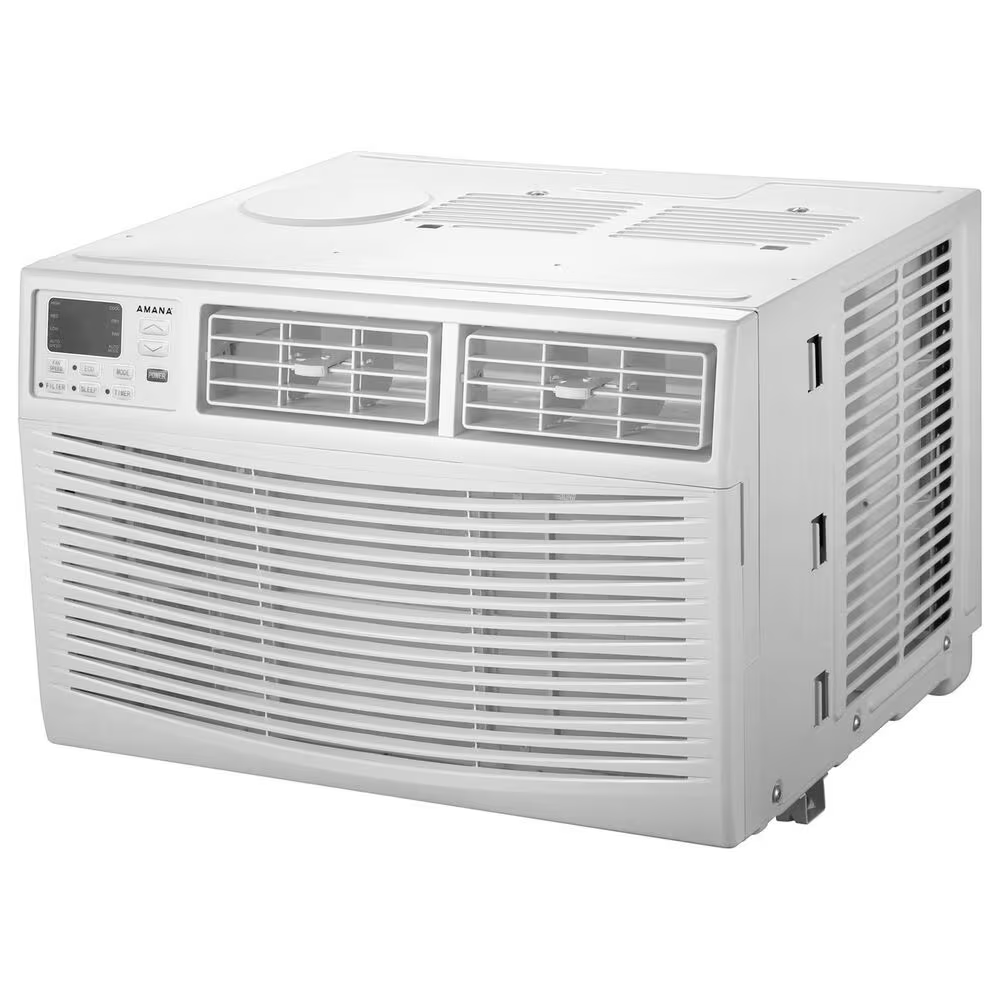
air conditioners
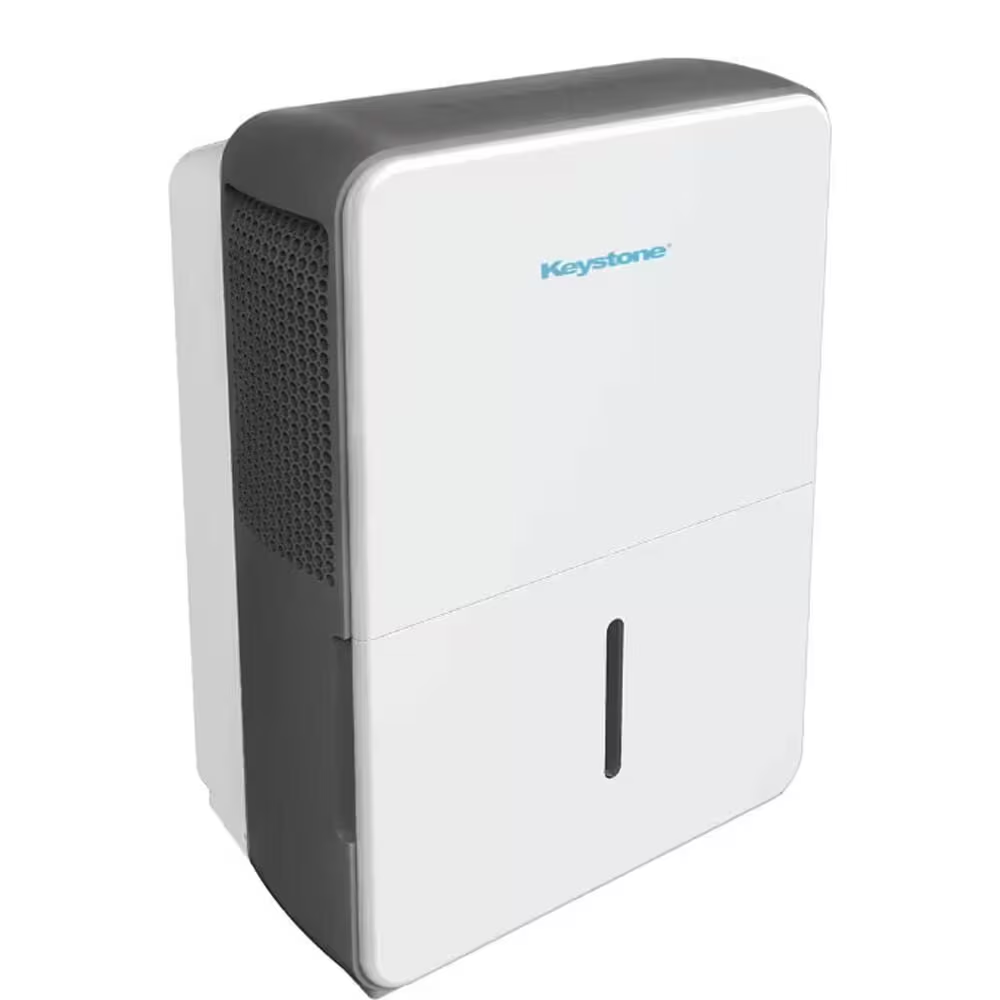
Dehumidifiers
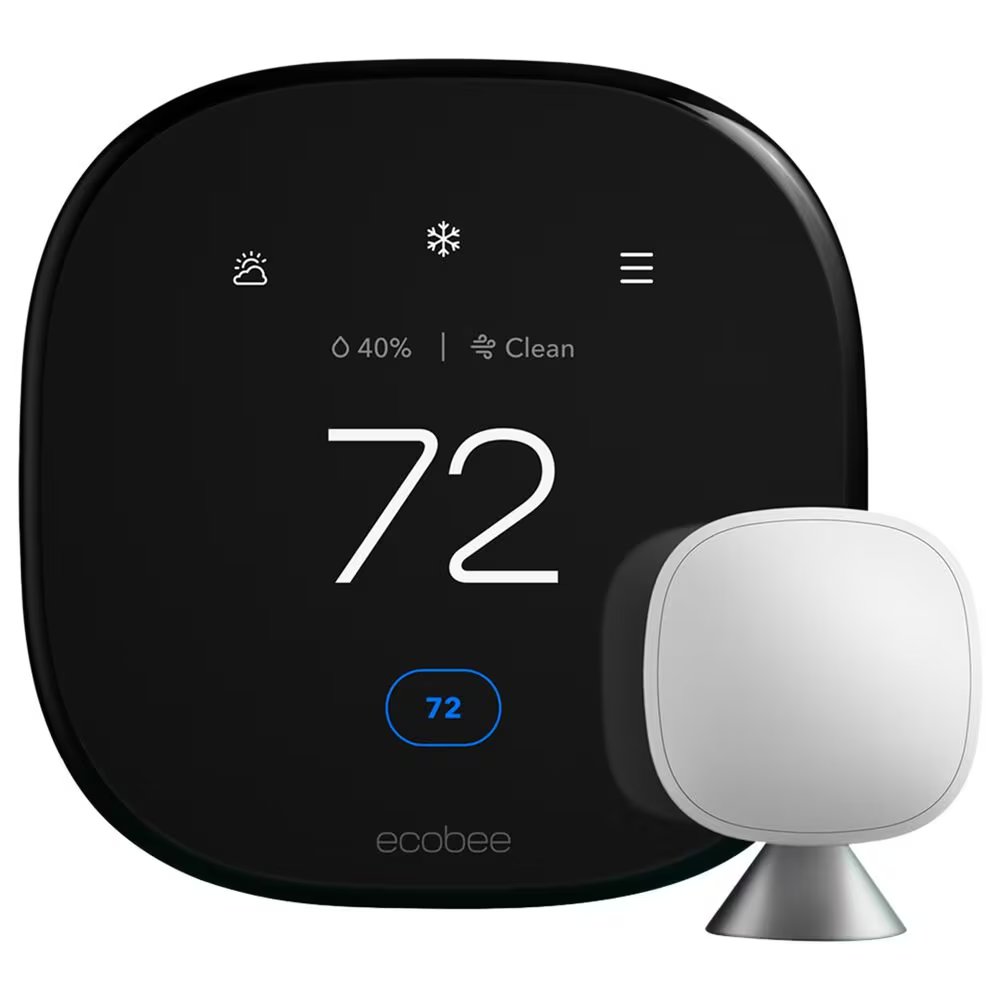
smart thermostats
Common cooling questions
Replacement & Installation
How do I know it's time to replace my air conditioner, and how long do they last?
Most central air conditioners last around 15 years, and good maintenance can stretch that. It’s usually time to replace when the system is in that range and needs a major repair, breaks down every summer, runs on R-22 refrigerant, or can’t keep the house comfortable even running nonstop.
What size air conditioner do I need?
Air conditioners are sized in tons of cooling, and square footage is only part of it. Insulation, windows, ceiling height, and which way the house faces all matter. We calculate the load for your home instead of matching whatever was there before. An oversized unit short-cycles and leaves the house clammy; an undersized one runs all day and never catches up.
What should I consider when choosing a new air conditioner?
Correct sizing comes first. After that: efficiency (the SEER2 rating), single-stage versus two-stage or variable-speed operation, noise, warranty, and how well it matches your furnace and ductwork. We’ll lay out a few options at different price points.
Will a new air conditioner lower my energy bills?
Usually, especially if you’re replacing a system that’s 15 or more years old, since new units must meet higher efficiency standards. How much you save depends on the unit you choose, how you use it, and the condition of your ductwork and insulation, so we’ll give you a realistic picture instead of a promise.
How long does it take to replace an air conditioner?
[Most straightforward replacements take about a day.] Jobs that need new ductwork, a new refrigerant line set, or electrical upgrades can take longer. You’ll get a timeline before we start.
Do I need to replace my furnace when I replace my AC?
Not always. The indoor coil sits on the furnace and has to match the new outdoor unit, and the furnace blower moves the cool air through the house. If your furnace is newer and compatible, we can keep it. If it’s near the end of its life, replacing both at once saves you a second install.
What's included with professional AC installation?
A load calculation to size the system, removing and disposing of the old equipment, setting the new outdoor unit and matching indoor coil, connecting refrigerant lines and electrical, charging and testing the system, and walking you through how it works. [Confirm: permits, thermostat, warranty registration.]
Maintenance
How often should my AC be serviced, and is it worth the cost?
Once a year. A tune-up costs much less than most repairs, keeps the system running efficiently, and catches worn parts before they fail. Some manufacturer warranties also require regular professional maintenance.
What's included in professional AC maintenance?
We clean and inspect the outdoor unit, check refrigerant levels, test the capacitor, motors, and electrical connections, clear the condensate drain, and check the filter, blower, and thermostat. You’ll hear about anything that’s wearing out.
When is the best time to schedule AC maintenance?
Spring, before the first stretch of hot weather. In Nebraska that usually means April or May, and you’ll get in sooner than you would once everyone’s AC is running.
How often should I change my air conditioner filter?
Check it monthly during cooling season. Standard 1-inch filters usually need replacing every 1 to 3 months; thicker media filters last longer. Pets, remodeling, and dust from fieldwork mean more frequent changes.
Can regular maintenance prevent breakdowns and lower my energy bills?
It helps with both. Clean coils, the right refrigerant charge, and a clear filter let the system cool with less effort, which uses less electricity. Many breakdowns start small, like a weak capacitor or a clogged drain, and a tune-up catches those early. It can’t prevent every failure, but it makes surprises less likely.
Troubleshooting
My AC is running but not cooling. What should I check?
Make sure the thermostat is set to cool and below the room temperature. Check the filter, and look at the outdoor unit for grass clippings, cottonwood, or anything blocking the fins. If it’s still blowing warm, turn it off and call us so it doesn’t freeze up.
Why is there water around my indoor unit?
Usually a clogged condensate drain or a frozen coil. Either one can damage floors and the system itself, so turn it off and give us a call.
Get ready for summer
Request a repair, install, or tune-up, and we’ll contact you to set a time.